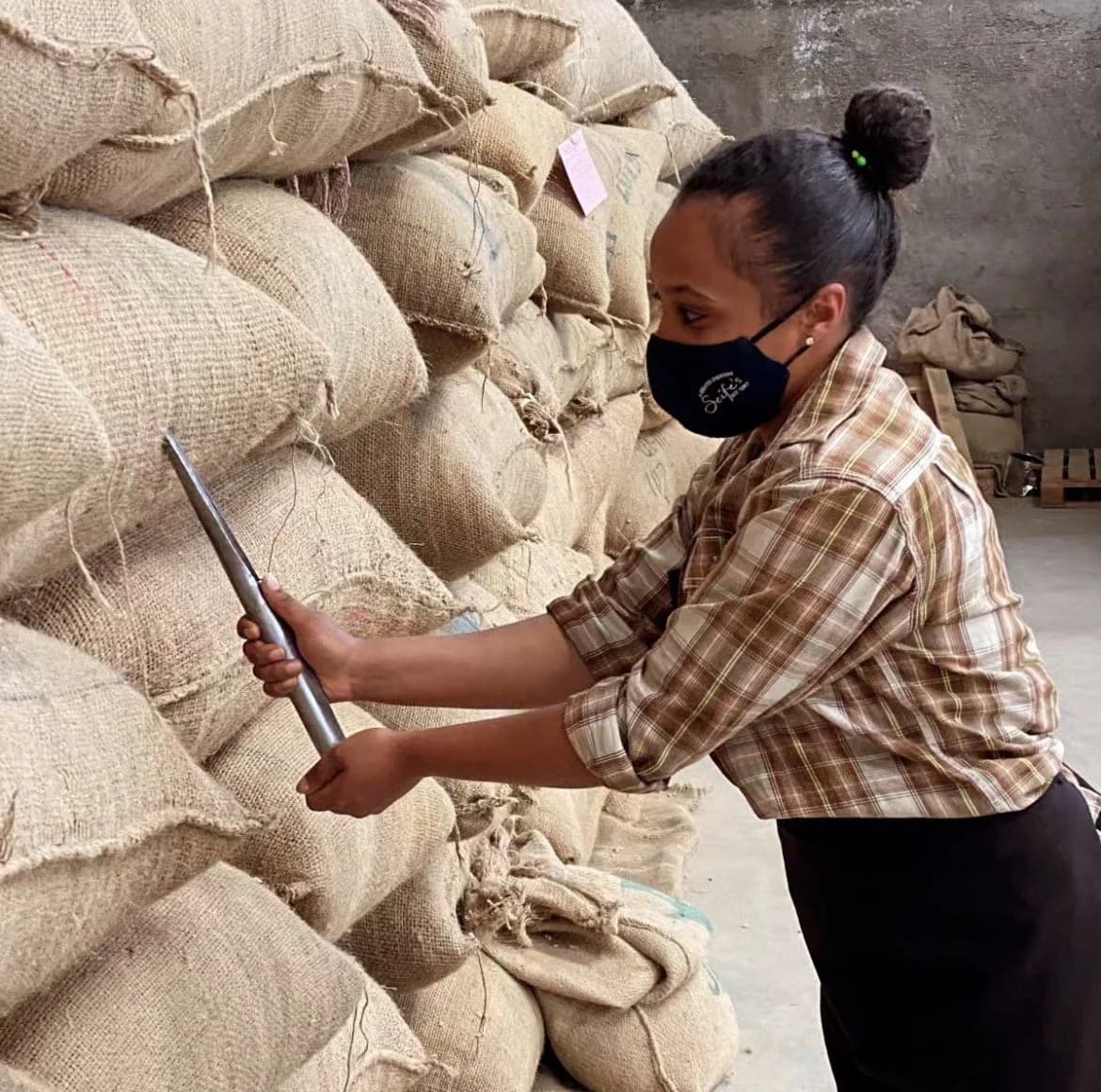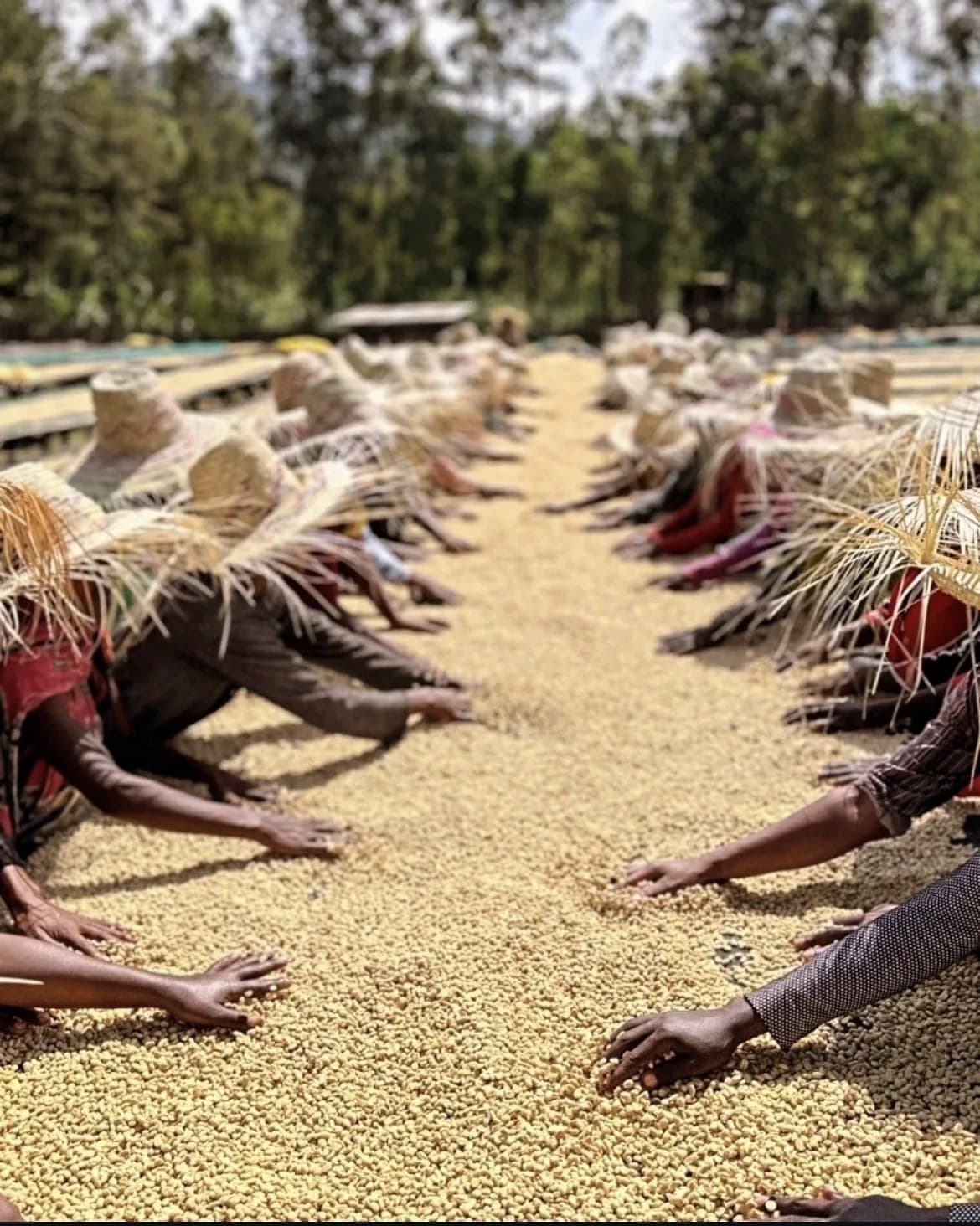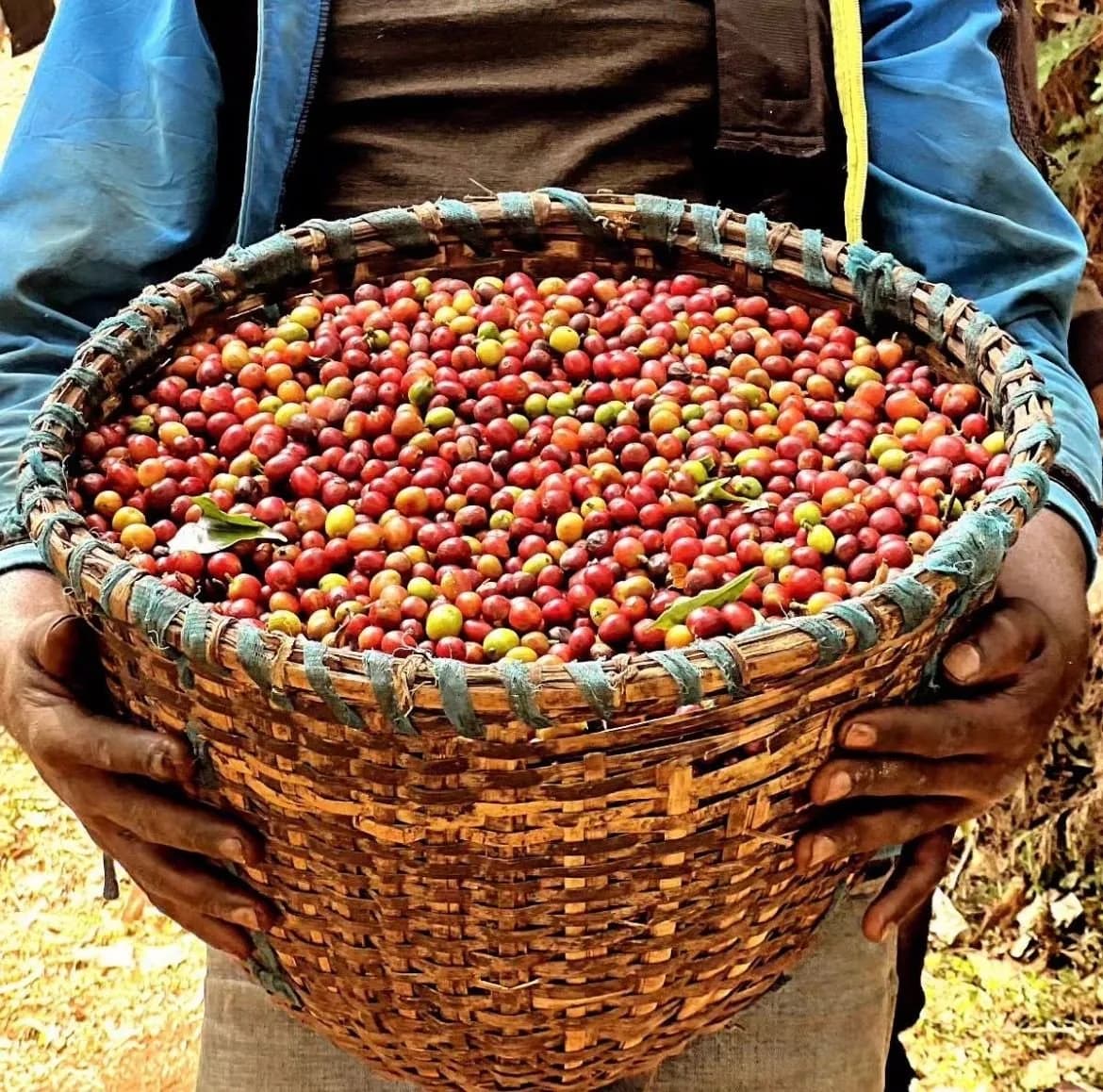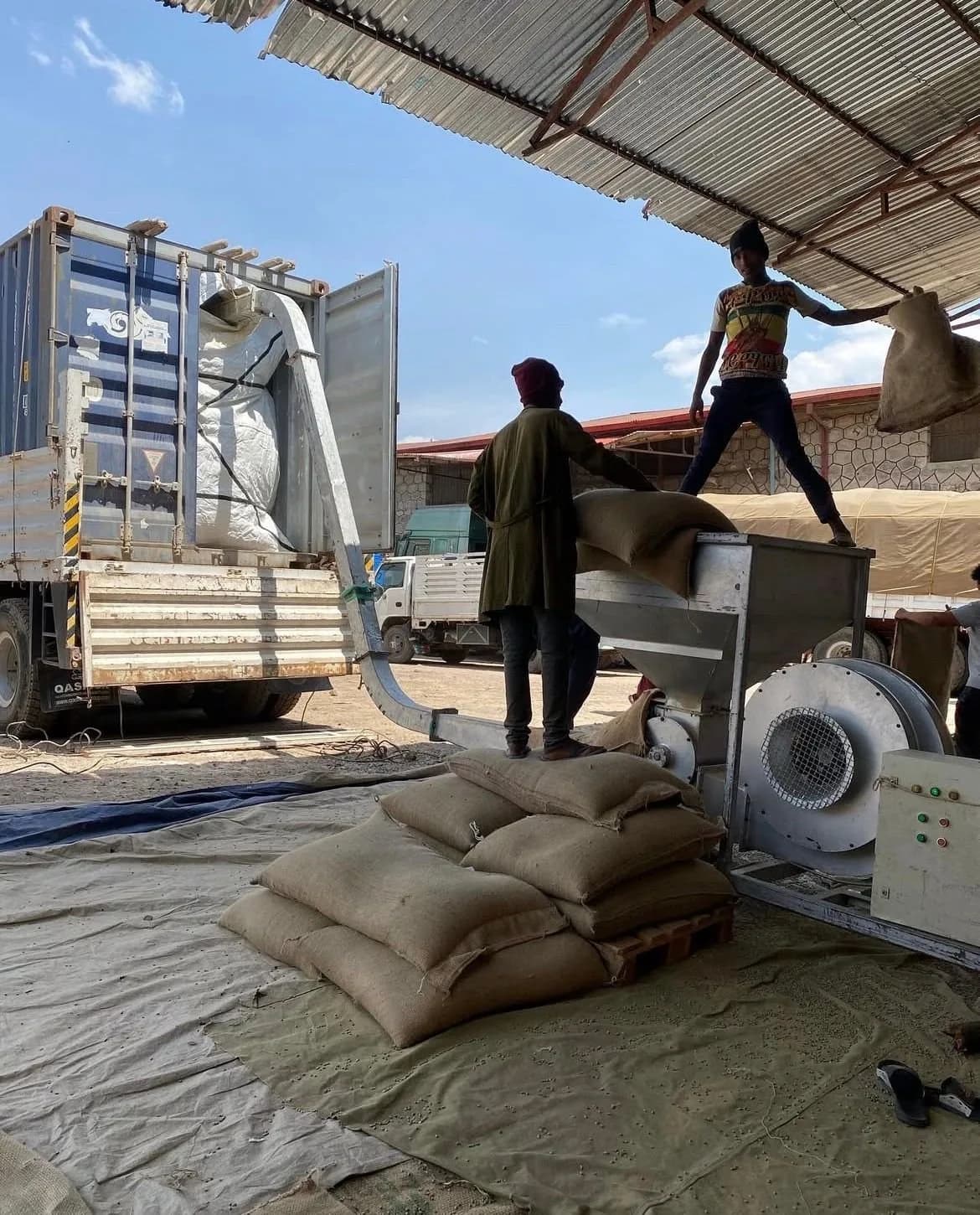
Ethiopia is Africa’s largest coffee producer and one of the world’s great origins. In the 2024/25 Ethiopian fiscal year it exported a record 469,000 tonnes of coffee, worth about US$2.65 billion. Demand is strong, and for good reason. But ask any roaster or importer who has bought directly from Ethiopia, and they will tell you it can be hard work.
We know, because we went through it ourselves. We started out as buyers looking for a reliable, compliant Ethiopian exporter. It took time, persistence and a presence on the ground, and in the end we became a licensed exporter ourselves. This article sets out the challenges we see buyers run into most, and what you can do about each of them.
The short answer: the main challenges of importing coffee from Ethiopia are finding a licensed, dependable exporter; getting coffee that matches the sample; understanding grades and seasonality; working within a regulated export system; logistics through Djibouti; documents and new EU rules; and payment risk. Nearly all of them come down to working with one accountable exporter that sources directly, puts everything in writing and follows your order on the ground.
1. Finding a reliable, licensed exporter
Ethiopian coffee passes through many hands: smallholder farmers, collectors, washing stations, suppliers, exporters, agents and importers. Many companies abroad sell Ethiopian coffee without being exporters themselves. For a buyer, it can be hard to tell who actually controls the coffee, and who is accountable when something goes wrong.
How to avoid it: buy from a licensed exporter, or know exactly which exporter your supplier uses. Ask who signs the contract, who invoices and who ships. Our guide on how to choose an Ethiopian coffee exporter lists the twelve questions to ask.
2. Coffee that does not match the sample
The most common complaint about any origin is simple: what arrived is not what was cupped. It happens when an offer sample comes from a different lot, when a lot is blended after sampling, or when coffee is poorly dried or stored.
How to avoid it: insist on full lot details, approve a pre-shipment sample drawn from your actual lot, and name that sample in your contract as the reference. Cup again on arrival.
3. Grades and names that are easy to misread
“Yirgacheffe Grade 1” sounds like a precise specification. It is not. The grade describes defects and cup quality at export, not flavour, and a region name like Sidama or Guji covers thousands of farms. Buyers who buy on the label alone are often disappointed.
How to avoid it: use grades as a minimum, not a promise, and judge the lot. Our guides to Ethiopian coffee grades and Ethiopian coffee regions explain what the names really mean.
4. Seasonality: the best lots go early
Ethiopia harvests roughly from October to January. The finest washed lots are cupped and contracted early in the new year, and many are committed before spring. Buyers who start looking in May often find the coffees they wanted are gone.
How to avoid it: send your brief in October or November and plan to contract between January and March. Our Ethiopian coffee buying calendar shows the whole season month by month.
5. A regulated export system
Ethiopia regulates coffee exports closely. Exporters need a licence, every lot is inspected and graded by the Ethiopian Coffee and Tea Authority (ECTA), and export contracts must be registered. ECTA also sets a minimum registration price for export contracts, which it revises regularly in line with international prices and exchange rates. Since Ethiopia moved to a market-based exchange rate in 2024, prices and costs in birr can move quickly.
For a buyer, this means a price that looked possible a few weeks ago may no longer be registrable, and that paperwork has to be right before coffee can leave.
How to avoid it: work with an exporter who handles registration and export procedures every day, gives you a written quotation with a clear validity, and tells you early if something in the market moves.
6. Logistics from a landlocked country
Ethiopia has no coast. Most coffee travels by rail or road from the Addis Ababa area to the port of Djibouti, and on by sea. Container availability, port congestion and routing all affect timing. In recent years, security in the Red Sea has forced some shipping lines onto longer routes, adding time and cost.
How to avoid it: agree realistic shipment periods, ask for current routing and transit estimates at booking, and keep a buffer in your roasting plan. For samples, small or urgent orders and roasted coffee, air freight from Addis Ababa Bole International Airport is often the better option.
7. Quality risk in transit and storage
Green coffee is a living agricultural product. Weeks in a container, temperature swings and humidity can dull a great coffee, and naturals are particularly sensitive.
How to avoid it: ask for moisture readings before shipment, use hermetic liners such as GrainPro for high-grade lots, and store the coffee well on arrival.
8. Documents and compliance, including EUDR
Each shipment needs a commercial invoice, packing list, bill of lading or air waybill, certificate of origin, phytosanitary certificate and the export quality certificate, plus any certificates for organic or Rainforest Alliance coffee. Your own market adds requirements on top, from import registration to food-safety rules.
In the European Union, the EU Deforestation Regulation (EUDR) applies to coffee from 30 December 2026 for large and medium-sized companies, and from 30 June 2027 for micro and small companies. The company placing the coffee on the EU market must be able to show it was produced legally and without recent deforestation, which requires information such as the geolocation of the plots where it was grown. With more than 95% of Ethiopia’s coffee grown by smallholders on very small plots, collecting that information is a real task.
How to avoid it: tell your exporter early exactly which documents and data you need, and get a clear answer on which lots they can supply them for, before you contract.
9. Payment and trust
Paying in advance for coffee on the other side of the world takes trust, and buyers who are new to Ethiopia often have none yet. Common terms range from advance payment to cash against documents, where documents are released through the banks when you pay.
How to avoid it: agree payment terms in writing before anything ships, start with a shipment size you are comfortable with, and build from there as the relationship proves itself.
10. Communication and follow-up
Time zones, languages and the simple distance between a buyer’s desk and a warehouse in Addis Ababa make small problems slow to solve. A missing signature can hold a container for a week.
How to avoid it: work with an exporter who has people on the ground, replies quickly, and names who will follow your order from contract to shipment.
The challenges at a glance
Challenge | What goes wrong | What to ask for |
|---|---|---|
Finding an exporter | No one is clearly accountable | Licensed exporter who sells, invoices and ships |
Sample match | Arrival differs from what you cupped | Lot details and an approved pre-shipment sample |
Grades and names | Buying on the label | Grade as a minimum, judge the lot |
Seasonality | Best lots already sold | Brief in Oct–Nov, contract Jan–Mar |
Regulation and prices | Prices or terms can’t be registered | Written quotation with validity, early warnings |
Logistics | Delays and extra costs | Realistic shipment periods, current routing, air option |
Transit quality | Faded or damaged coffee | Moisture data, GrainPro, good storage |
Documents and EUDR | Coffee held or unsellable | Required documents and data agreed before contract |
Payment | Risk on either side | Clear written payment terms |
Follow-up | Small problems become long delays | Named contact on the ground |
How we help buyers avoid these problems
We started this company because we needed an Ethiopian exporter we could trust, and could not easily find one. So we built the company we were looking for.
- One accountable company. We are a licensed Ethiopian coffee exporter. The company that selects your coffee is the one that signs your contract, invoices you and ships it.
- Direct from origin. We buy directly from farmers and washing stations and handle processing and export preparation ourselves, so we know where every lot comes from.
- Facts before you commit. Every coffee we propose comes with its region, washing station or farm, process, grade, crop year and lot details, and a sample where available. You receive our price, payment and shipping terms in writing before anything is agreed.
- On the ground. Part of our team has lived in Ethiopia for ten years, and our office is in Addis Ababa. Samples, registrations, bookings and documents are followed up locally, not from a distance.
- Experience that ships. We ship around 50 containers a year, mainly to Sweden, FOB Djibouti or FCA Addis Ababa Bole International Airport, and can arrange freight to your port or airport.
- Both sides of the trade. We are Norwegian and Swedish, with Ethiopian roots, and we communicate in the terms your market expects.
If you are planning to import Ethiopian coffee, or want a second supplier you can rely on, send us your brief. Tell us the coffee type, destination and a rough volume, and we will reply within one business day.
Frequently asked questions
Can I import coffee directly from Ethiopia?
Yes. Many roasters and importers buy directly from Ethiopian exporters. You, or a customs broker or freight forwarder working for you, handle import clearance in your country. In the EU you need an EORI number, and from the EUDR application dates the importer has due diligence obligations. If you are new to importing, start with a manageable volume and a forwarder who knows coffee.
How long does it take to import coffee from Ethiopia?
From contract to arrival usually takes a few months, depending on when in the season you buy, export preparation and registration, and shipping routes. Coffees contracted between January and March typically arrive in Europe from spring onwards. Air freight is much faster for samples and small orders.
What documents do I need to import Ethiopian coffee?
Typically a commercial invoice, packing list, bill of lading or air waybill, certificate of origin, phytosanitary certificate and the export quality certificate, plus certificates for organic or Rainforest Alliance coffee. Your country may require more. Agree the list with your exporter before you contract.
Does the EUDR apply to Ethiopian coffee?
Yes. From 30 December 2026 for large and medium-sized companies, and 30 June 2027 for micro and small companies, coffee placed on the EU market must be deforestation-free and legally produced, backed by due diligence including plot geolocation. Discuss the information you need with your exporter before you buy.
What is the minimum order when importing from Ethiopia?
It depends on the coffee and how it ships. Full containers are the most economical by sea, but smaller volumes are possible, and air freight suits samples and small orders. Tell us your rough volume and we will tell you what is realistic.
Sources
- Ethiopian Coffee and Tea Authority export results for 2024/25, reported by Food Business Africa.
- EUDR application dates: Council of the European Union and the European Commission’s May 2026 review.
- ECTA minimum registration price: TYPICA.
- Smallholder share of Ethiopian coffee production: TraceX Technologies.