Choosing an Ethiopian coffee supplier is the decision that shapes everything after it: the quality that arrives, the paperwork, and how problems are handled when they come up. We learned this as buyers before we became exporters, and it took us time and some hard lessons. These are the questions we would ask any Ethiopian exporter, including us, before placing an order.
The short answer: a dependable exporter can tell you, in writing and before you commit, who sells and ships the coffee, where each lot comes from, how its quality has been checked, which sample represents it, what the price and terms are, and which documents come with it. If those answers are vague, keep looking.
1. Are you a licensed Ethiopian coffee exporter?
Coffee exports from Ethiopia require a licence from the Ethiopian Coffee and Tea Authority. Many companies that sell Ethiopian coffee abroad are agents or traders who buy from an exporter. That can work well, but you should know who the exporter is, because that company prepares the coffee, holds the export contract registration and ships it.
2. Who will sell, invoice and ship the coffee?
Ask plainly which legal entity signs your contract, issues the invoice and appears as shipper on the bill of lading. When one accountable company does all three, questions and claims have one address.
3. Where do you source, and how directly?
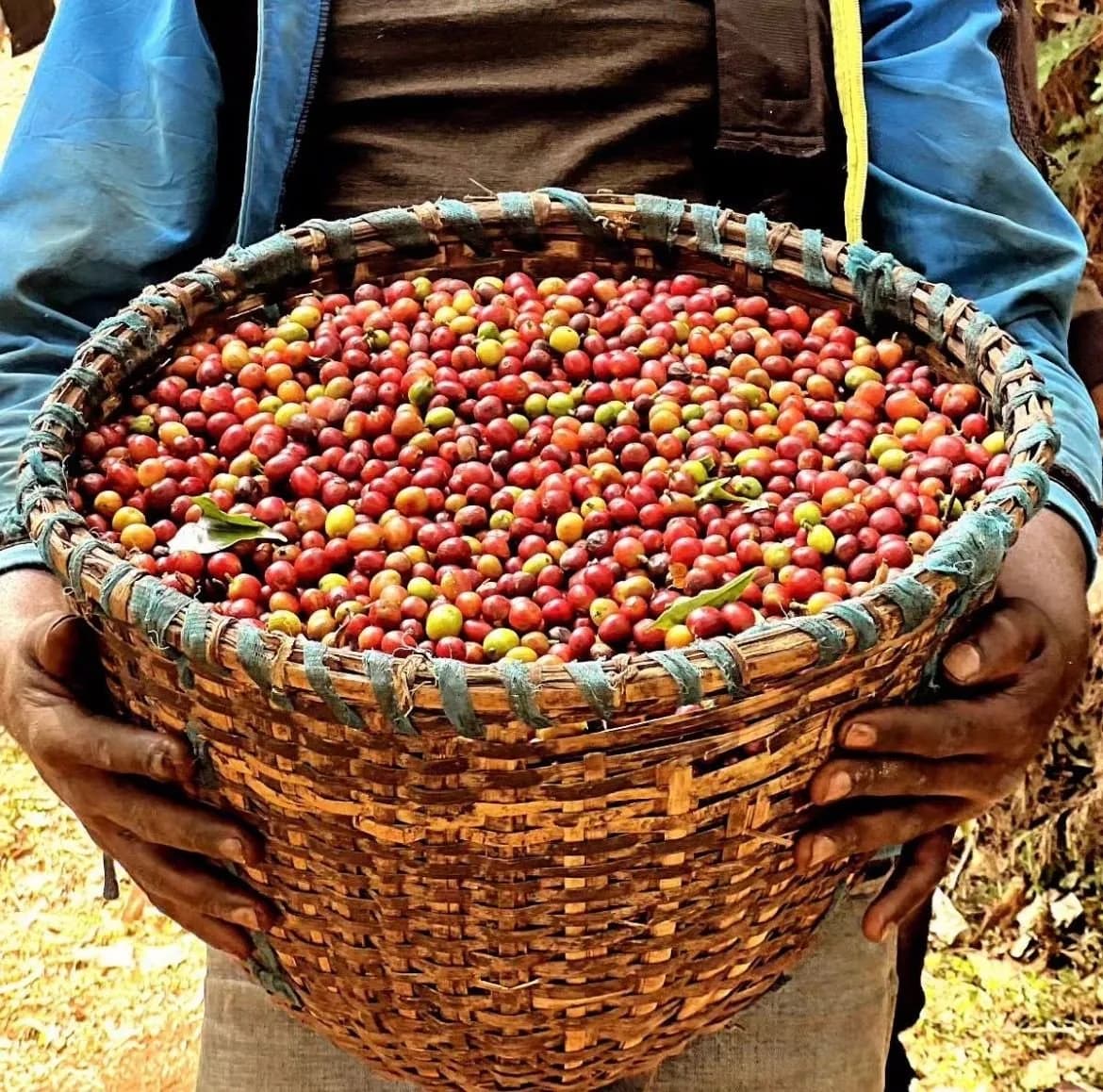
Since the 2017 reforms, Ethiopian exporters can buy directly from farmers, washing stations and cooperatives instead of only through the commodity exchange. Direct sourcing usually means better traceability and more control over quality. Ask which washing stations, farms or areas the exporter works with, and for how long.
4. Can you give me full lot details?
For every coffee offered, you should get the region, washing station or farm, process, grade, crop year and a lot or reference number. Lots without details are hard to repeat and hard to claim against.
5. Who processes and prepares the coffee?
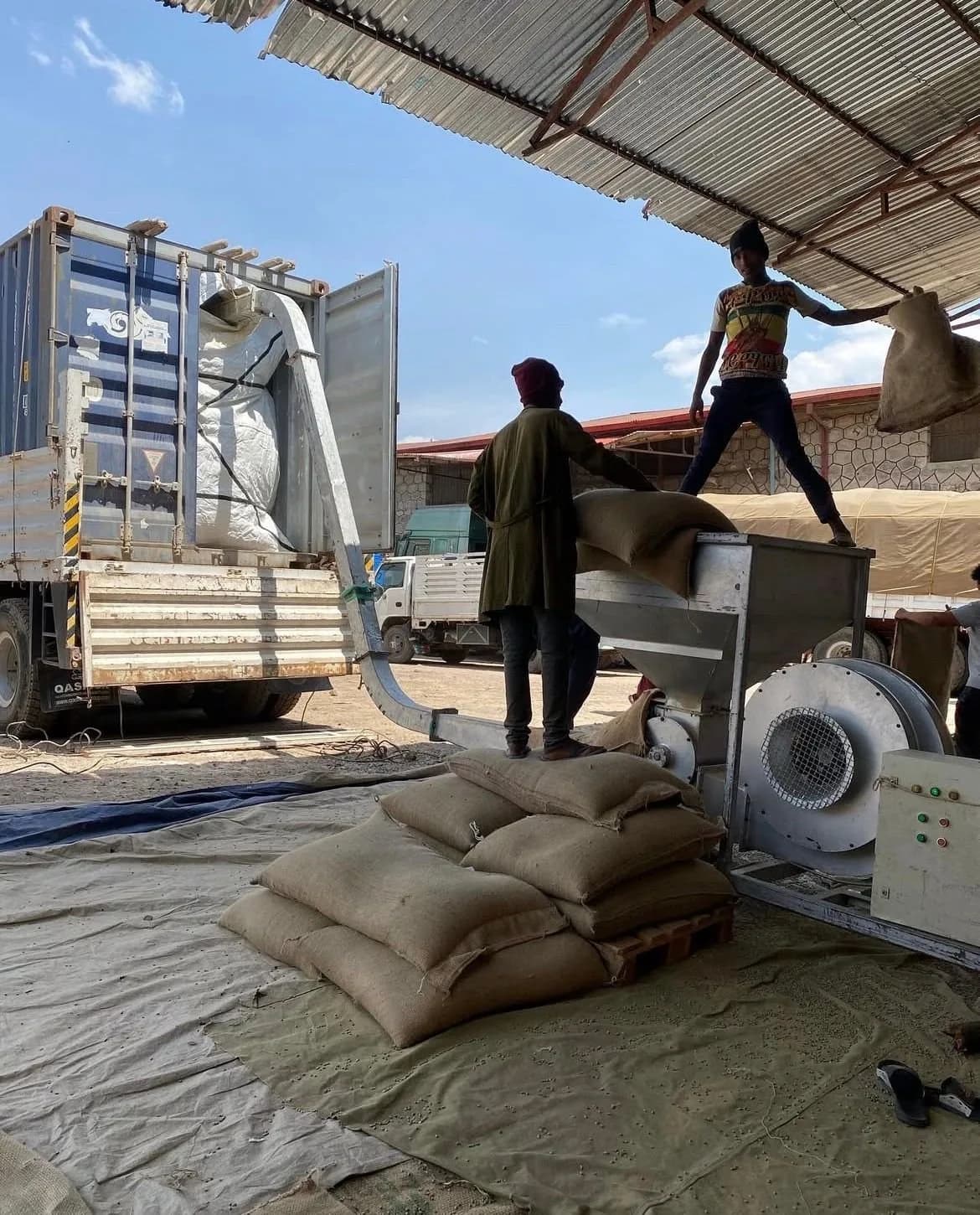
Drying, hulling, sorting and export preparation decide much of the final quality. Ask whether the exporter controls these steps or buys finished export coffee from others.
6. How is quality checked, and what evidence will I see?
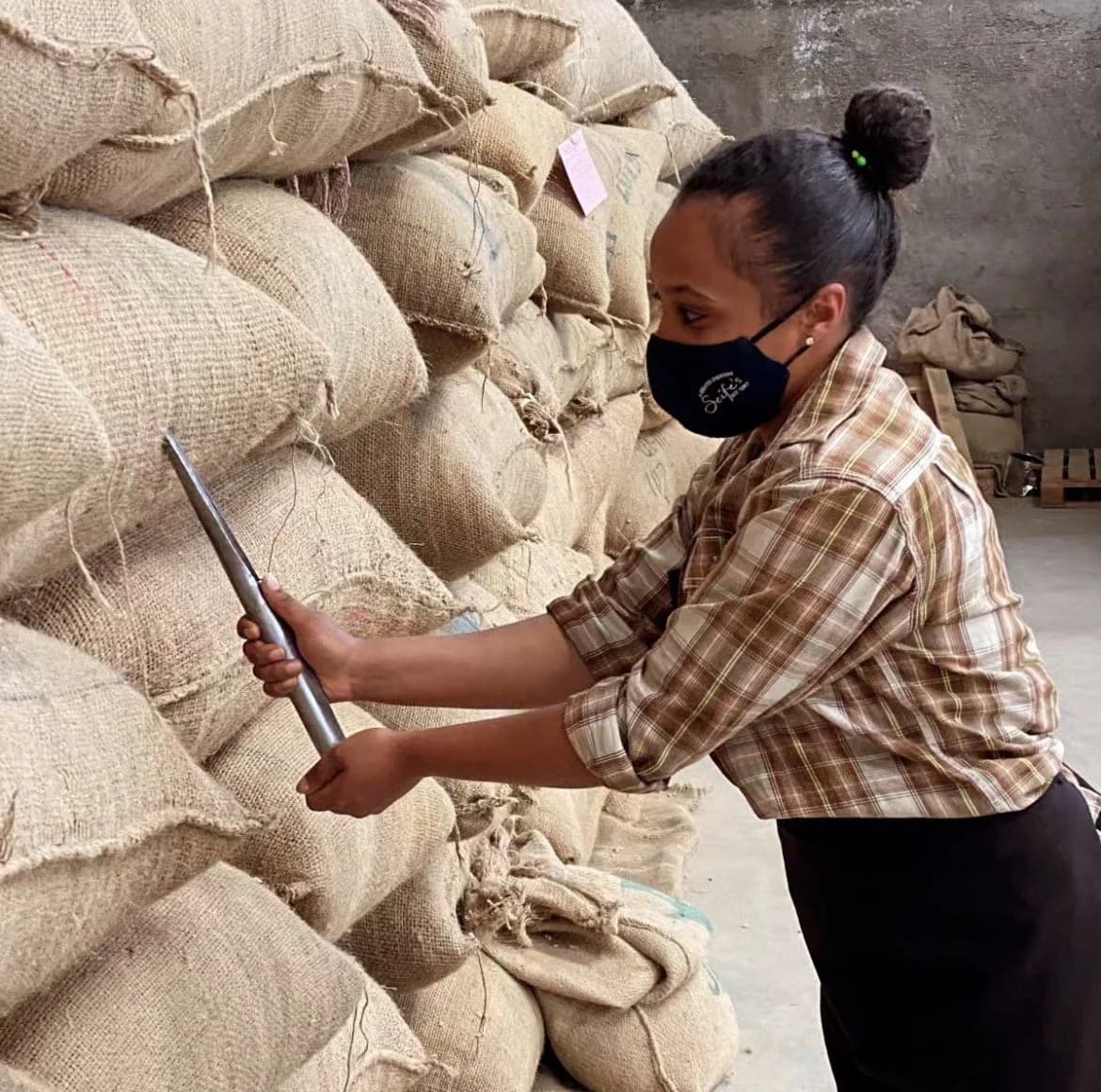
Every export lot is graded by the Ethiopian Coffee and Tea Authority. Beyond that, ask for the exporter’s own cupping notes, moisture readings and the grade of the specific lot. Our guide to Ethiopian coffee grades explains what a grade does and does not tell you.
7. Which sample represents the coffee I will receive?
There are offer samples, pre-shipment samples from the actual lot, and arrival samples. Agree in writing that the pre-shipment sample, approved by you, is the reference for the shipment. That single step prevents most disputes.
8. What are the price, payment and shipping terms?
A proper quotation states the price per kilo or pound, the Incoterm and place (for example FOB Djibouti or FCA Addis Ababa Bole International Airport), the payment terms, the shipment period and the packaging. Be wary of quotes that leave any of these open.
9. Which documents come with the shipment?
Expect at least a commercial invoice, packing list, bill of lading or air waybill, a certificate of origin, a phytosanitary certificate and the quality certificate from the export inspection. Certified coffee needs the relevant certificates, such as organic or Rainforest Alliance. Tell the exporter early what your market requires, including information for the EU Deforestation Regulation if you import into the EU.
10. Can you arrange freight, or do I?
Under FOB or FCA terms you arrange freight onward. If you would rather have one price to your port or airport, ask whether the exporter can book freight and quote it with the coffee.
11. Who follows up on the ground?
Shipments stall for ordinary reasons: a document, a booking, a missing signature. An exporter with its own people in Ethiopia can solve these in a day. Ask who, specifically, will follow your order and how quickly they reply.
12. How do you handle a problem?
Ask what happens if the arrival does not match the approved sample, or a shipment is delayed. A good exporter explains the process calmly and puts it in the contract. Evasive answers here are the clearest warning sign of all.
A quick checklist
Area | What a good answer looks like |
|---|---|
Licence | Licensed exporter, named legal entity |
Seller | One company sells, invoices and ships |
Sourcing | Named washing stations, farms or areas; direct relationships |
Lot details | Region, station or farm, process, grade, crop year, lot number |
Quality | Export grade plus the exporter’s own cupping and moisture data |
Samples | Approved pre-shipment sample is the contractual reference |
Terms | Written quotation: price, Incoterm, payment, shipment period, packaging |
Documents | Listed in advance, including anything your market requires |
Follow-up | Named people on the ground; replies within a business day |
For the full version, download our free Ethiopian Coffee Buyer’s Checklist: 39 questions covering the seller, the coffee, quality evidence, samples, terms and documents.
How we answer these questions
We are a licensed Ethiopian coffee exporter. We buy directly from farmers and washing stations, and we process and prepare the coffee for export ourselves. The company that selects your coffee is the one that signs your contract, invoices you and ships it, FOB Djibouti or FCA Addis Ababa, with freight arranged if you need it. Part of our team has lived in Ethiopia for ten years; our office is in Addis Ababa, and we ship around 50 containers a year, mainly to Sweden. Every coffee we propose comes with its lot details and a sample where available, and nothing is agreed until you have our terms in writing. Send us your brief or read how buying from us works.
Frequently asked questions
How do I find a reliable coffee exporter in Ethiopia?
Start with licensed exporters that source directly and can give full lot details, written terms and a named contact. Ask the twelve questions above, cup their samples, and start with a shipment size you are comfortable with.
Should I buy from an Ethiopian exporter or through an importer?
Both work. An importer in your country handles import, storage and small quantities, usually at a higher price. Buying directly from an exporter gives you more control and traceability but you, or your forwarder, handle import. Many roasters start with an importer and move to direct buying as volumes grow.
What is the Ethiopian Coffee and Tea Authority?
It is the government body that regulates Ethiopia’s coffee and tea sector. It licenses exporters, inspects and grades export coffee, and oversees export contract registration.
What does FOB Djibouti mean?
The seller’s price covers the coffee loaded on board your vessel at the port of Djibouti, Ethiopia’s main export route. From there, the buyer pays for sea freight and insurance, unless the exporter has agreed to arrange them.
What is a pre-shipment sample?
A sample drawn from the actual lot prepared for your shipment. Approving it before the coffee ships, and naming it in the contract as the reference, is the best protection against surprises on arrival.