Ethiopian coffee is seasonal, and the best lots go early. Buyers who contact exporters in spring often find that the coffees they liked in last year’s cupping are already sold. This guide sets out the Ethiopian coffee year from harvest to arrival, so you know when to brief, when to cup and when to contract.
The short answer:
- Harvest: roughly October to January, varying by region and altitude; higher farms ripen later.
- Samples: the first washed samples are cupped from around December and January; naturals follow.
- Contracting: most specialty buying happens between January and March, while the choice is widest.
- Shipping: washed coffees usually start shipping around February and March; naturals follow over the next months.
- Arrival in Europe: typically from spring onwards, depending on shipment date and routing.
- Plan ahead: send your brief in October or November, before the harvest is in, to get first choice.
The Ethiopian coffee year, month by month
Period | What happens in Ethiopia | What a buyer should do |
|---|---|---|
September–October | Cherries ripen; washing stations prepare. Last year’s crop is mostly sold. | Review last season, set volumes and profiles, send your brief. |
October–January | Main harvest. Cherry is picked, processed and dried. Lower-altitude areas start first. | Agree what you want to see; ask for early samples. |
December–February | Washed coffees are dried, rested, milled and graded. First samples are cupped. | Cup offer samples; shortlist lots. |
January–March | Most specialty contracting. Naturals finish drying and are graded. | Contract washed lots; approve pre-shipment samples. |
February–April | Washed coffees ship; naturals begin to ship. | Book freight or confirm our freight arrangement; plan roasting. |
April–July | Naturals and later lots ship; the best lots are largely sold. | Fill gaps; plan next season. |
These are typical windows. Weather, the size of the crop and export processes can move them by weeks, so treat them as a planning guide rather than fixed dates.
Why the harvest takes so long
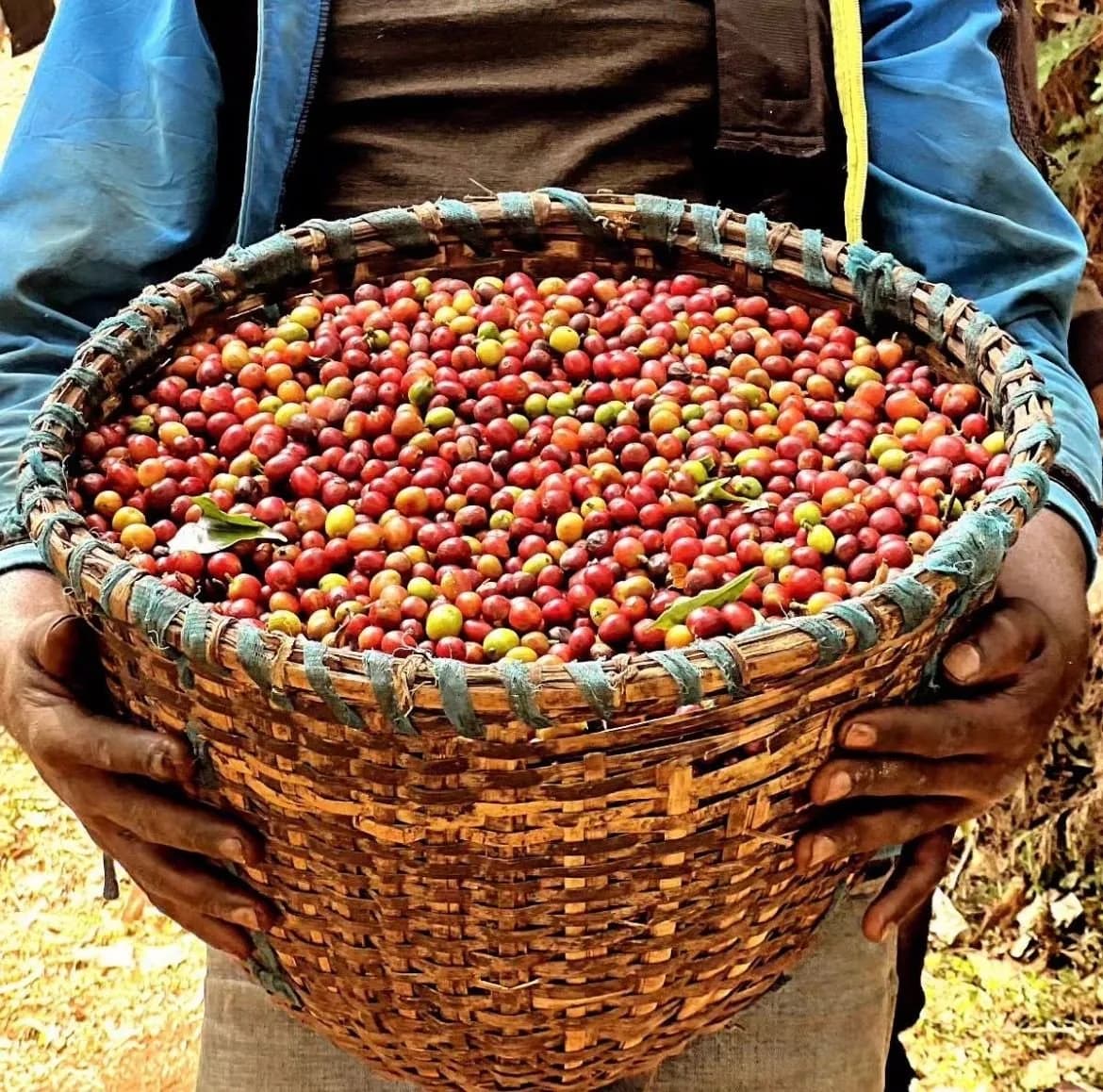
Ethiopia’s coffee grows at very different altitudes, from around 1,500 metres to well over 2,000, and mostly on small farms. Cherries ripen unevenly, and pickers pass through the same trees several times. Lower areas start earlier; the high-grown coffees of Yirgacheffe, Gedeb and Guji ripen later. After picking, washed coffee needs fermentation, washing and one to two weeks of drying; natural coffee needs several weeks of drying in the cherry.
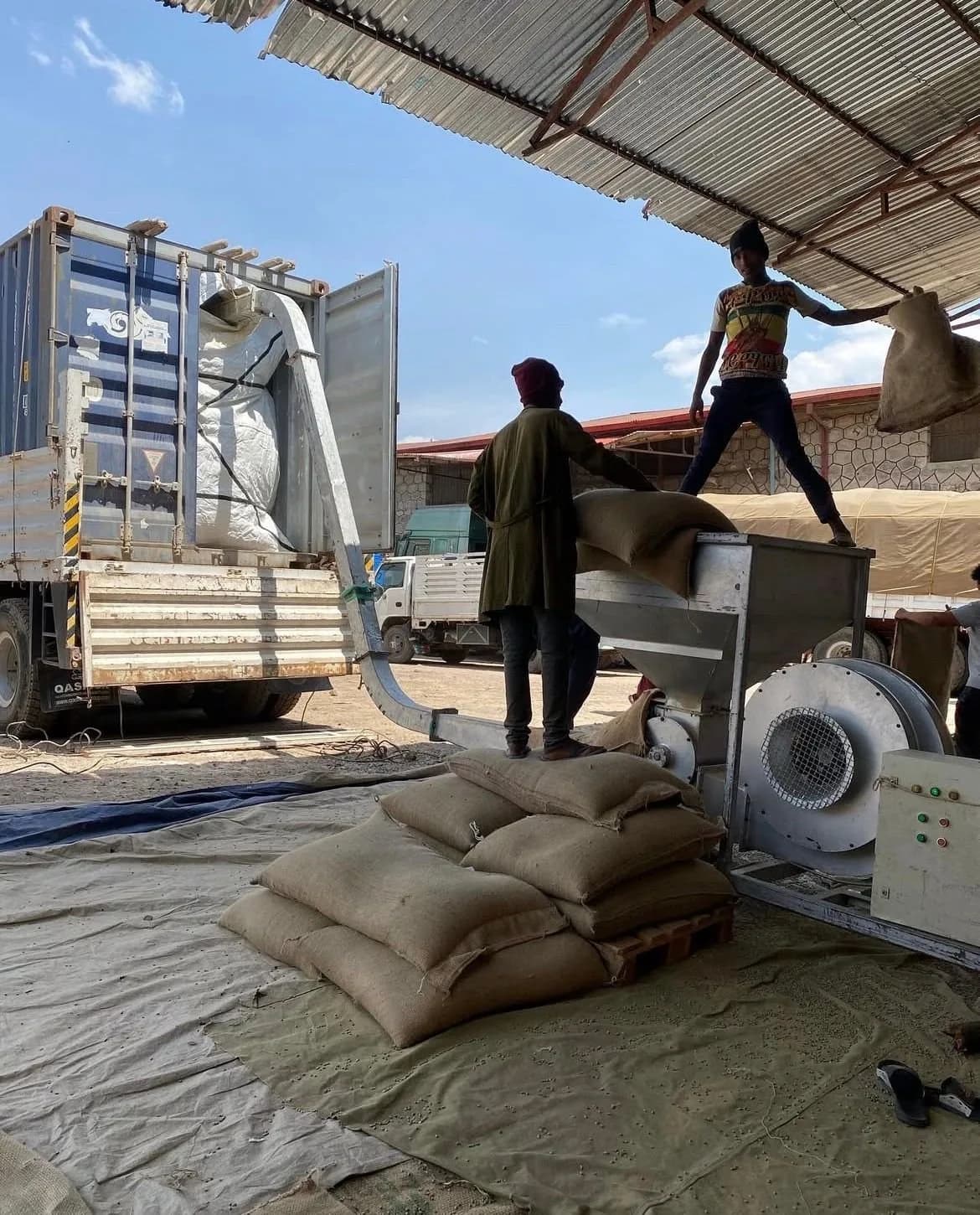
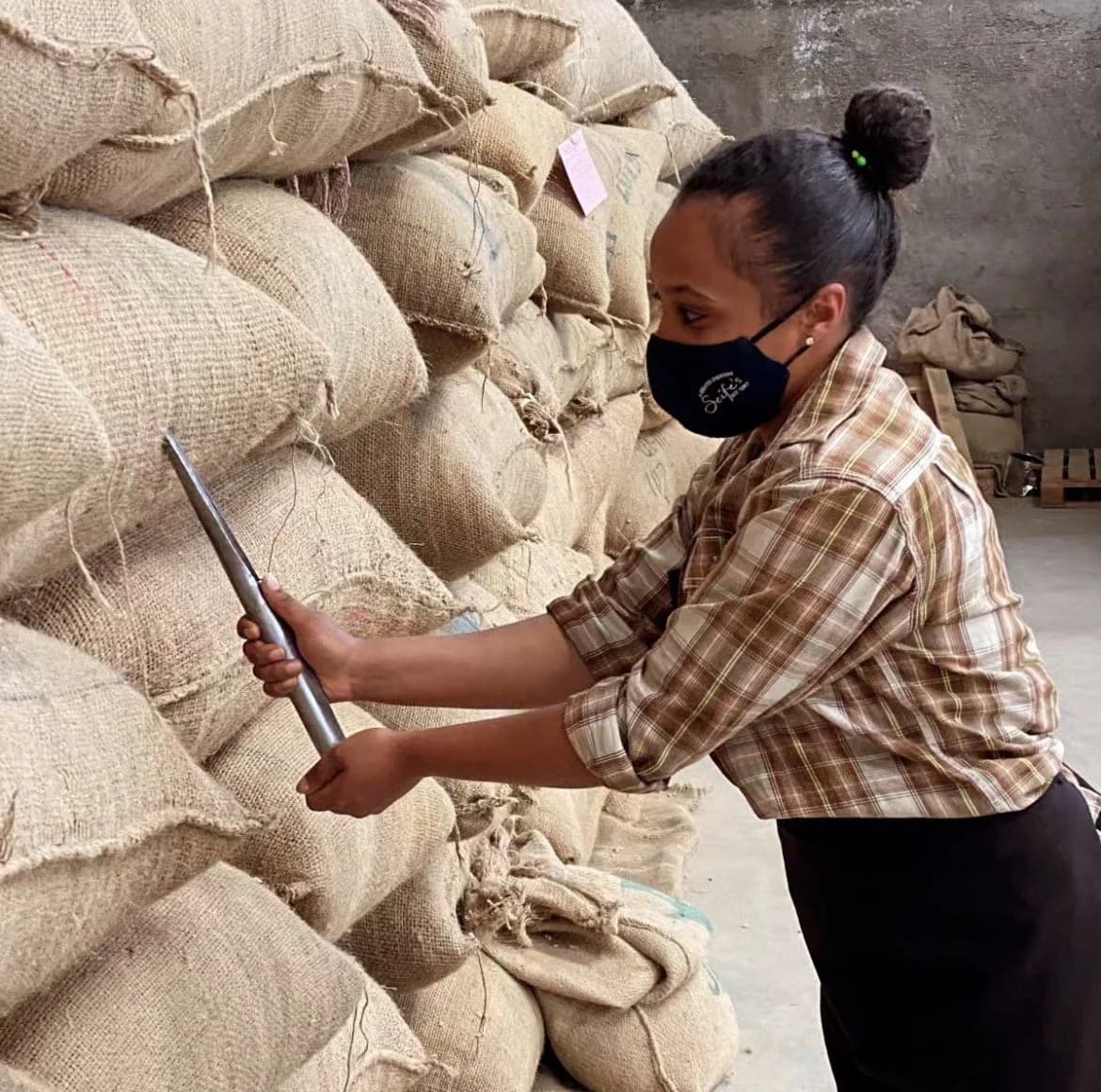
After drying, the coffee is rested, hulled, sorted and prepared for export, then inspected and graded by the Ethiopian Coffee and Tea Authority before it can leave the country. All of that takes time, which is why the first shipments come months after the first cherries are picked.
When should you contract?
Contract early if you want high-grade, traceable lots. The best Grade 1 and 2 coffees from well-known washing stations are often committed by February or March. Later in the season you can still buy good coffee, particularly naturals and commercial grades, but the choice narrows.
A practical rhythm for a roaster:
- October–November: send your brief with profiles, grades and volumes.
- December–February: cup offer samples and shortlist.
- January–March: contract, and approve a pre-shipment sample from the actual lot.
- February–May: ship, with washed coffees first.
- On arrival: cup again before you roast for customers.
How long does shipping take?
Most Ethiopian coffee travels by rail or road from Addis Ababa to the port of Djibouti, and from there by sea. Transit time to Europe depends on the shipping line, transhipment and the route ships take. Security in the Red Sea has lengthened some routes in recent years, so always ask for current routing and estimated transit time when you book.
For samples, urgent or smaller shipments, and roasted coffee, air freight from Addis Ababa Bole International Airport is much faster. We sell FOB Djibouti for sea freight and FCA Addis Ababa Bole International Airport for air freight, and can arrange freight to your port or airport if you prefer one price.
Can you buy Ethiopian coffee outside the season?
Yes, but plan for it. Later in the year you will find fewer high-grade lots and more naturals and commercial grades. Coffee bought from stock abroad may already have spent months in a warehouse, so cup it before you commit. If you need Ethiopian coffee all year, the usual answer is to contract enough during the season and store it well, in hermetic liners such as GrainPro, or to split your volume into several shipments.
How we plan with buyers
Our operations team lives and works in Ethiopia, so we follow the harvest, drying and milling from the ground and tell you plainly how the season is going. We buy directly from farmers and washing stations, prepare the coffee for export ourselves and ship around 50 containers a year, mainly to Sweden. Send us your brief early and we will tell you what to expect and when: request a quote, or read about how buying from us works.
Frequently asked questions
When is the Ethiopian coffee harvest?
The main harvest runs roughly from October to January. It varies by region and altitude: lower areas start earlier and high-grown areas such as Yirgacheffe, Gedeb and Guji later.
When do Ethiopian coffees arrive in Europe?
Washed coffees usually begin shipping around February and March and arrive from spring onwards; naturals follow. The exact timing depends on the season, export processing and shipping routes.
What is the best time to buy Ethiopian green coffee?
Between January and March, when samples of the new crop are available and the choice of high-grade lots is widest. Sending your brief in October or November gives you the best position.
Should I buy washed or natural coffee first?
Washed coffees are ready and ship first, so contract those early. Naturals take longer to dry and are usually available a few weeks later.
Can I get samples before the coffee is graded?
Early samples are sometimes available, but the most reliable are offer samples from lots prepared for export, followed by a pre-shipment sample from the lot you buy. We tell you which kind of sample you are cupping.